Pest Control: Results-Oriented Tactics to Safeguard Your Dwelling and Organization
Pest Control: Successful Techniques to Safeguard Your Home and Enterprise
Overview to Pest Control
Pest Control involves the control or management of species identified as pests – creatures that harmfully influence human endeavors or environments. In New Jersey, a place where varied biological communities intersect with urban-adjacent and urban expansion, powerful Pest Control is not simply a indulgence but a requirement for sustaining healthy dwelling and working environments. From the extensive residential areas of Monmouth County to the cohesive neighborhoods of Matawan, pest infestations can disturb each person, irrespective of how pristine or carefully tended their home may be.
The criticality of establishing successful Pest Control techniques should not be exaggerated. For occupants, pests can harm framework solidity, adulterate food resources, and establish considerable health risks. Establishments deal with these equivalent problems, with the additional apprehension of reputation harm and probable deprivation of clients if outbreaks are discovered. Common pests in New Jersey encompass rodents like rats and mice, various invertebrates such as ants, cockroaches, and bed bugs, and the remarkably destructive termites that can quietly undermine a building's underpinning.
The Purpose Pest Control Is Significant
Health Threats of Pest Control Methods
Various pests contain and convey disorders that can harm humans and pets. Small mammals are established transporters of hantavirus, salmonella, and leptospirosis. Cockroaches can induce asthma episodes and allergic reactions, chiefly in juveniles. Ticks, prevalent in New Jersey's forested places, are recognized for spreading Lyme disease, while mosquitoes can transmit West Nile virus and Eastern Equine Encephalitis. Expert Pest Control assists diminish these health threats by removing the cause of these potential disease carriers.
Property Impairment in Pest Control
The structural destruction created by pests can be vast and expensive. Termites singly produce over $5 billion in structure impairment each year all over the United States, with New Jersey homes being particularly open due to the state's climate. Rodents can munch through power cables, causing fire dangers, while their incessant biting can ruin padding, pipes, and wooden basic elements. Even outwardly benign ants can impair lumber structures if neglected unaddressed, particularly carpenter ants which are typical in Monmouth County.
Pecuniary Results of Pest Control Services
Overlooking pest issues can cause major financial consequences. What could start as a minor incursion necessitating easy procedure can promptly increase into a considerable complication demanding broad treatment. For businesses, mainly those in the food trade or tourism industries, pest outbreaks can result in flawed health inspections, short-term stoppages, and enduring destruction to prestige and patron belief. Investing in regular Pest Control is not merely about instantaneous convenience—it's a long-term economic defense.
Pest Control: Ordinary Residential and Enterprise Pests
Vermin (Rats and Mice)
When it pertains to identifying rodent problems in your New Jersey home, awareness is fundamental. You possibly spot dung near food provisions, in containers, or beneath sinks. Gnaw marks on food packaging, lumber, and electronic cables are evident signs of their attendance. At evening, you may notice scraping rackets in dividers, ceilings, or below floors as these night-active critters become lively. If you uncover nests produced from fragmented documents, cloth, or arid plant stuff, that's a clear signal rodents have made themselves home. Slimy rub marks along baseboards and dividers emerge as rodents use the identical paths continually, while your pets may exhibit unusual behavior such as woofing or scratching at spots under devices or furnishings where rodents conceal.
Vermin in New Jersey homes and firms constitute various dangers exceeding pure annoyance. They can corrupt food and creation surfaces with microorganisms residing in their urination and feces. Their continuous urge to bite can damage assets, specifically cables, which generates fire threats. In Matawan and neighboring places, the Norway rat and house mouse are exceptionally troubling, thriving in both metropolitan and outlying regions. Productive Pest Control steps are crucial to address these detrimental intruders.
Invertebrates (Ants, Cockroaches, Bed Bugs)
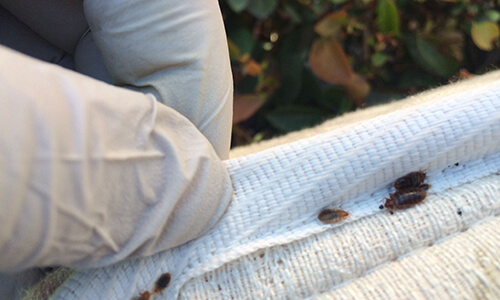
Arthropod issues display themselves in multiple methods according to the kind. Ant issues get obvious when you notice noticeable ant paths directing to food stocks, or when you discover minor accumulations of dirt or wood splinters generated by carpenter ants. Cockroach incursions often present themselves through dark dung reminiscent of coffee grounds or black pepper, a special stale odor that pervades plagued places, and the existence of egg coverings in secret corners. Bed bug troubles materialize as rust-colored blotches on mattresses and furniture, shed skins near resting zones, small blood marks on sheets, and prickly red lumps on skin commonly aligned in a row or group.
Insects represent the most diverse class of pests in New Jersey. Cockroaches can trigger asthma and sensitivities while spreading many infectious agents. Bed bugs, while not disease carriers, create notable discomfort, sleep disturbance, and sentimental trouble. Some ant classes, like carpenter ants typical in Monmouth County's woodland zones, can create structural injury comparable to termites throughout time. Professional Pest Control services can determine precise insect types and put in place aimed handling methods that handle the distinctive practices and susceptibilities of each pest.
Termites
Detecting termite movement early demands understanding the slight symptoms of their occurrence. You perhaps spot discarded wings near portals and entries after swarmers have detected a mate and established a new nest. Mud tubes on outdoor walls, lumber beams, or in crawl areas serve as secured highways for these damaging bugs. Wood that reverberates vacant when tapped reveals termites have been eating from internally. Portals and windows that abruptly adhere may suggest distorting from termite impairment, while cracked or swelling paint reminiscent of water impairment often masks termite activity below. Locating frass—termite feces reminiscent of tiny wood-colored fragments—supplies another evidence of their undesirable attendance.
Termites create perhaps the most important structural hazard across all standard pests. In New Jersey, the Eastern subterranean termite is frequent and especially harmful. These insects can remain unseen for periods while making significant destruction to wooden structural sections. Homes in Matawan and throughout Monmouth County, notably older dwellings, are prone to termite infestations. The average expense of term pest control.
Pest Control Safety Considerations
Proper Utilization of Products and Substances in Pest Control
When pesticides become needed in your pest control plan, prioritizing protection demands attention to several important methods that defend individuals, companions, and the surroundings. Continuously study and comply with label instructions precisely, as these legal instructions reflect extensive evaluation and governmental assessment intended to reduce risks. Employ the least successful quantity of chemical to attain elimination while minimizing excess substance introduction into your living area. Apply substances only in areas designated on the label, preventing off-label applications that may produce unexpected dangers or reduce effectiveness. Don appropriate protective gear as stated by product producers to prevent direct contact during use. House products in their initial containers with directions undamaged to preserve availability to safety data and eliminate misidentification. Document comprehensive notes of all uses, documenting substances utilized, mixing rates, areas applied to, and schedules of application for later use. Enable sufficient curing and air circulation before returning to serviced spaces, particularly important in New Jersey's conditions where dampness can affect curing times. Think about lower-toxicity alternatives when viable, as developments in pest control have produced many less-hazardous solutions that keep performance while lowering possible dangers.
Protecting Companions and Children During Pest Control Applications
Extra safeguards turn crucial when implementing pest control procedures in dwellings with at-risk household occupants. Take away pets while performing service and until surfaces are dry to prevent immediate interaction with wet products or fumes that could create adverse reactions. Protect or move pet food, water bowls, and toys before treatment to prevent pollution that could result in inadvertent ingestion. Place children's toys apart from service zones, particularly things that small children might put in their lips. Clean and disinfect food cooking counters after service, even if they were not specifically treated, to get rid of any remains that might have collected during application. Maintain kids apart from serviced spaces for the recommended duration, increasing this period for crawling infants who have more direct interaction with ground and bottom areas. Consider non-toxic to pets and kid-friendly chemical choices when available, as many contemporary formulations target certain pest biology while minimizing human toxicity. Most importantly, inform professional applicators about the existence of animals, young ones, or expecting family members before they create application approaches, enabling them to change methods and product selections accordingly.
Legal Guidelines and Conformity with Pest Control
Pest control in New Jersey works within a regulatory system built to defend general wellness and the environment while maintaining effective pest management. The New Jersey Department of Environmental Protection supervises pest management activities, requiring expert pest control firms to meet certain requirements. Businesses must employ licensed professionals who have cleared government examinations demonstrating competency in pest science, service approaches, and safety procedures. These companies must copyright adequate protection coverage defending both their professionals and their customers from potential harm or harm related to pest management procedures. Strict requirements oversee pesticide storage, movement, and disposal to stop natural pollution and illegal access. Specialists must offer Safety Data Sheets upon request, detailing the attributes and hazards of chemicals applied in services. Notification standards relate for particular uses, especially in multi-unit buildings or industrial areas with several tenants. Complete application logs must be upheld, creating an audit record of pest management procedures. Also, only products authorized for use in New Jersey may be officially employed, ensuring that area natural conditions and ecosystems have been considered in the permission process. For industrial facilities in Matawan and throughout Monmouth County, additional guidelines may relate relying on the sector, specifically for restaurant business, healthcare, and daycare buildings where pest management overlaps with additional public safety aspects.
Eco-Friendly Pest Control Solutions
Comprehensive Pest Management (IPM) System
Integrated Pest Management exemplifies the top level in current pest control, focusing on extended deterrence through a mix of techniques that reduce natural effect while enhancing effectiveness. The IPM procedure starts with detailed assessment and observation to determine pest activity precisely, setting up baseline information about species present and quantity counts. This creates precise classification of pest kinds, confirming management work focus on specific behaviors and exposures rather than applying generic applications. Professionals set boundary quantities that justify treatment, recognizing that the mere occurrence of a few creatures doesn't inevitably need intervention if quantities continue beneath damaging levels. When intervention becomes required, IPM applies various management approaches in coordination, typically commencing with minimal-risk approaches and increasing only when required. Across the procedure, specialists review effectiveness and modify methods as necessary, forming a dynamic system adaptive to shifting environments. Most vitally, IPM stresses prevention over elimination, addressing structural and surrounding aspects that maintain pest populations rather than merely eradicating present pests. Many pest control organizations in New Jersey deliver IPM-based solutions that correspond with the region's initiative toward reduced-risk pest management practices, notably in sensitive locations like learning institutions, healthcare facilities, and meal preparation facilities.
Chemical-Free Control Approaches
Effective pest control often integrates chemical-free techniques that can fix or minimize pest concerns without adding chemicals into the area. Tangible shields such as screens, entry strips, and caulking block pest entry entirely, addressing the issue at its origin. Mechanical devices like traps and exclusion systems take away current creatures while blocking new invasions. Natural methods including beneficial creatures and microorganisms add natural predators that focus on specific creatures while keeping advantageous insects undamaged. Management practices adjust the setting to repel pests, such as adjusting moisture routines to lower moisture that draws some insects. Habitat alteration lowers refuge and sustenance sources, making sites decreased welcoming to troublesome inhabitants. For some insects like bedbugs, temperature procedures offer highly effective elimination without harmful leftovers by elevating heat over the heat lethal limit for all life stages of the specific pest. Similarly, cold procedures for kept product creatures like food bugs or food storage pests can destroy infestations in food goods without chemical exposure. These strategies establish especially beneficial in New Jersey's diverse areas, where nearness to aquatic areas, preserved wild locations, and thick community hubs creates multiple circumstances where chemical reduction grows desirable or required.
Green Pest Control Treatment Methods
The pest control sector maintains to evolve toward additional eco-conscious practices that preserve efficiency while minimizing surrounding effect. Botanical insecticides obtained from natural extracts like chrysanthemum extract, neem, and essential extracts deliver focused elimination with reduced persistence in the ecosystem. Biological agents featuring organisms, fungi, or organisms that focus on particular pest organisms supply precision that conventional general products can't match. Growth regulators that inhibit pest reproduction by disrupting with maturation processes supply sustained quantity suppression without instant dangerous influences on developed insects. Scent devices that monitor or interfere with pest breeding assist determine when intervention turns necessary and can prevent mating in particular types. The field increasingly uses lower-risk chemicals with small environmental influence, moving apart from traditional compounds with broader impacts on beneficial life forms. Precision treatment technologies that decrease complete pesticide application apply applications precisely where necessary rather than broadcasting substances around large zones. Green qualification systems for pest control companies create requirements for environmentally superior care and supply users with plain recognition of services devoted to environmentally-friendly procedures. In environmentally sensitive areas of New Jersey, encompassing sections of Monmouth County with distance to marine systems, these sustainable approaches are specifically useful for defending both people's wellness and natural habitats while yet offering effective pest elimination.
Finding a Local Pest Control Service Provider in New Jersey
Capitol Exterminating System
272 NJ-34
Matawan, NJ 07747
(732) 441-1900
Commonly Inquired Questions (FAQs) about Pest Control
How commonly should pest control be carried out?
For most New Jersey houses, quarterly pest control offers proper protection against seasonal pest activity. This frequency aligns with the local separate periods, each bringing distinct pest difficulties that require preventive care. Early season applications typically deal with developing ant colonies and overwintered creatures becoming active. Summer treatments concentrate on mosquitoes, ticks, and various flying insects that succeed in heated temperatures. Autumn procedures ready properties for mice and rats and overwintering insects pursuing protection as temperatures decrease. Cold season services maintain safeguarding against internal pests while dealing with small mammal pressure at its maximum. Nonetheless, this rate may grow for structures with particular risk elements or persistent troubles that need increased comprehensive treatment. Homes close to tree-covered zones in Monmouth County may profit from further parasite and mosquito control procedures across top seasons. Properties with record of particular pest problems commonly require focused additional applications above the typical every three months frequency. Commercial establishments, notably food preparation businesses in areas like Matawan, frequently require frequent care to keep conformity with safety standards and avoid infestations that could hurt image and business processes.
Is professional pest control harmless for pets?
When carried out accurately, expert pest control can be secure for companions through careful substance choosing and application procedures that limit access. Contemporary targeted employment methods and reduced-risk chemicals have considerably improved wellness features relative to conventional pest treatment techniques. Recent treatments commonly utilize mixtures explicitly engineered to have minimal poison to creatures while remaining successful against designated insects with distinct biologies. Professional professionals receive instruction in treatment techniques that put chemicals in zones animals are unable to reach, such as structural gaps, cracks and openings, or beneath equipment. Nevertheless, animals should be moved while performing procedure and until all applications have dried entirely, adhering to certain pause times suggested by the product manufacturer and applicator. Fish systems should be protected and air equipment turned off while performing application to prevent contamination from airborne substances. Pet items including sleeping areas, items, and nutrition bowls should be moved or protected during service. Discuss any issues with your pest control company, who can suggest correct pause periods based on the specific applications applied and adapt approaches for residences with specifically vulnerable animals like flying animals or reptiles that may have different bodily weaknesses than cats and canines.
What are the indicators of a significant pest problem?
Besides visible organisms personally, various warning signals indicate possibly major problems needing immediate pest control intervention. Odd odors regularly appear with extensive issues – damp, fatty odors may suggest rodents, while pleasant, almond-like odors occasionally occur with German roach populations. Unexplained construction deterioration like falling boards, blistering surface, or crumbling wood may indicate wood-destroying insect damage or wood-boring ant infestations harming structural components. Odd sounds within barriers or upper spaces, particularly at evening, commonly show mouse and rat activity as these nighttime creatures turn lively in hidden areas. Too much debris resembling tiny shavings close to lumber pieces may in fact be frass or excrement from timber-damaging pests. Some residences have puzzling health troubles like respiratory difficulties or scratching that disappear when absent from residence, possibly suggesting insect infestations affecting interior atmosphere purity. In New Jersey homes, focused consideration should be devoted to basement and foundation spaces where dampness troubles can sustain pest populations, specifically in mature homes throughout Monmouth County where foundation splits and crumbling mortar offer numerous penetration spots. Encountering many expired creatures of the matching type shows a bigger population near, while grease marks around wall bases reveal established mouse and rat trails pest control services with ongoing activity.
Can I eliminate pests without pest control products?
Certainly, multiple insects can be avoided through suitable cleaning, blocking, and living space change without employing toxic methods. The foundation of chemical-free pest control initiates with complete prevention efforts – closing gaps, openings, and access points that allow creatures to penetrate homes in the initial spot. Installing entry barriers, repairing broken filters, and closing mechanical access points stops common entry locations. Getting rid of feeding options through suitable food containment in sealed packages, immediate elimination of spills and fragments, and routine trash disposal significantly lowers magnets that pull creatures indoors. Minimizing moisture by fixing dripping water lines, bettering air movement in wet zones, and handling water removal issues eliminates the fluid sources numerous creatures need. Sustaining a distance zone near structures by cutting greenery, taking away organic waste, and storing timber elevated and distant from properties minimizes shelter zones and invasion locations. Applying physical barriers like copper material or metal material to stop more significant holes provides lasting prevention for rodents and rats. Consistent cleaning that features removal cracks and spaces gets rid of creature larvae and sustenance particles that support pest growth. For current invasions, nonetheless, some variety of treatment agent may be required to address confirmed problems, though numerous safer alternatives are accessible featuring diatomaceous earth, boron acid, and bug-eliminating soaps that deliver lowered danger versus conventional pesticides.
What should I prepare for during specialist pest control procedure?
A expert pest control treatment generally commences with a detailed examination to determine pest varieties, penetration spots, and encouraging environments leading to the concern. The technician should use attention inspecting both internal and outdoor zones, devoting focused care to cooking areas, wash areas, underground areas, and edge foundations where pest activity often accumulates. Following this assessment, the specialist should clarify their observations in completeness and propose a procedure approach tailored to your unique situation, reviewing both the intended pests and the approaches suggested for managing them. You may obtain readiness instructions before procedure, potentially including repositioning items, emptying individual spaces, or safeguarding animals. Throughout the treatment, the professional will apply appropriate materials to designated spaces according to the pest types recognized, emphasizing on openings, spaces, and pest refuge locations rather than broadcasting applications over complete spaces. They may position tracking devices like creature traps or attractant containers that aid monitor development and offer ongoing safeguarding. After concluding applications, a expert should detail any following-application care instructions such as airflow standards, re-entry periods, or spaces to sanitize. Before leaving, they should set up return treatments if required for particularly persistent pests like bedbugs or German insects that commonly require numerous procedures for complete elimination. Within this process, professionals should invite concerns and give understandable facts about the materials and techniques applied, reflecting their education and dedication to both success and security.
Effective pest control is an crucial element of maintaining sanitary, harmless residential and professional environments in New Jersey. From the damp hot months that produce mosquitoes and blood-sucking insects to the chilly months when mice and rats seek harborage within, pest threats stay a continuous problem for inhabitants and enterprises in Monmouth County and Matawan. By comprehending common creatures, employing protective steps, and realizing when to obtain qualified aid, building owners can shield their holdings and the safety of tenants.
Using a proactive approach to pest control is consistently greater successful and affordable than responding to existing problems. Routine inspections, proper maintenance, and tackling little issues before they grow can prevent the considerable costs and disruptions associated with substantial pest troubles. When expert intervention grows essential, deciding on a respected, authorized pest control service who applies integrated pest treatment methods guarantees productive achievements with small surrounding impact.